
Budapest history on Castle Hill at a glance
The palace on Castle Hill began as a medieval royal palace. It fell into decay in Ottoman times from 1541, was badly damaged when the castle was retaken in 1686, and later became a baroque palace that was extended by Miklós Ybl and Alajos Hauszmann. The Second World War destroyed much of it, and it was rebuilt for cultural use.
That means the castle you see today is not a fully preserved medieval site. If you want the story told on the spot, join one of the Buda Castle tours through the Castle District, or book a private walking tour.
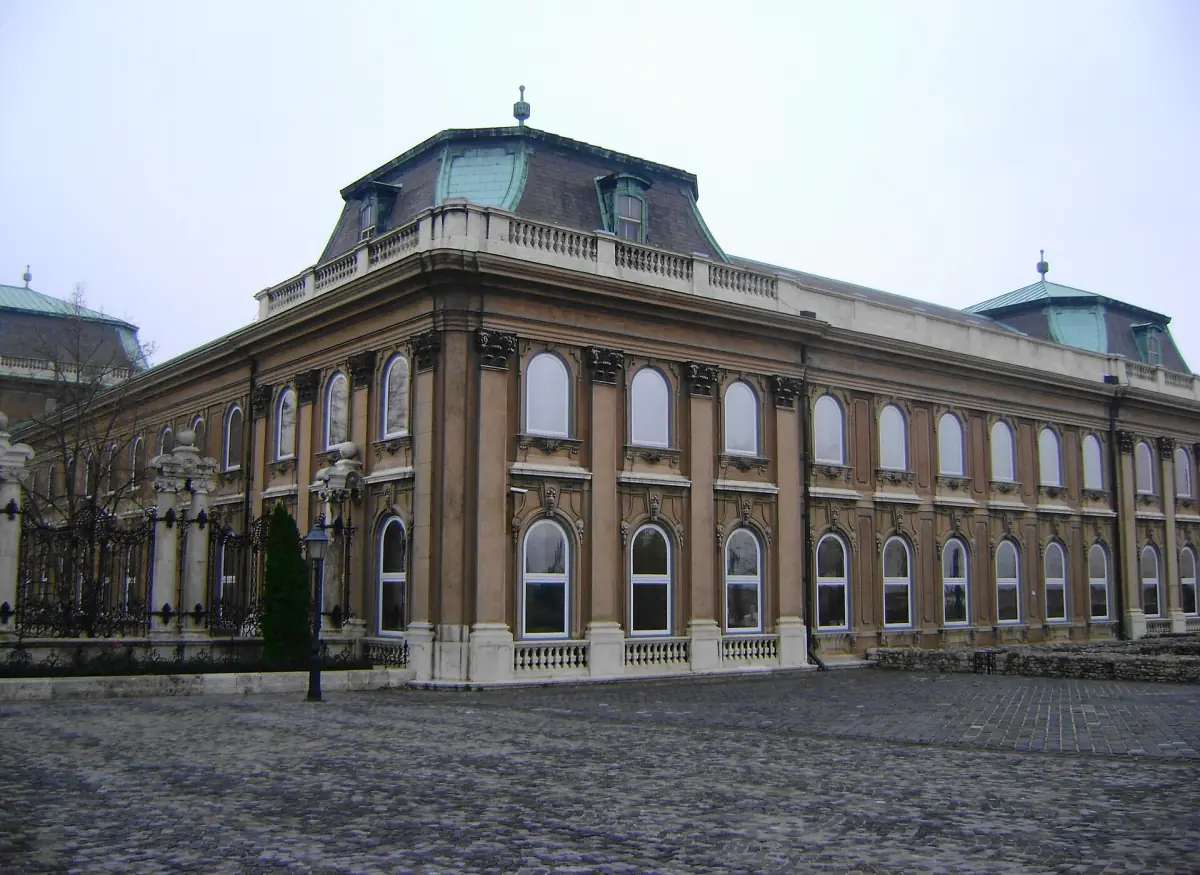
Buda Castle from the Middle Ages to today
The main layers of the palace, from the earliest to the latest.
| Period | What happened |
|---|---|
| Middle Ages | A medieval royal palace stands on the hill. |
| From 1541 | In Ottoman times the palace falls into decay. |
| 1686 | The castle is badly damaged when it is retaken. |
| After 1686 | A baroque palace follows, later extended by Miklós Ybl and Alajos Hauszmann. |
| Second World War | The palace is heavily destroyed. |
| From the 1960s | Rebuilding for cultural use begins. |
| 1975 | The Hungarian National Gallery opens at the castle. |
| 1987 and 2002 | World Heritage inscription, then a major extension of the boundary. |
| 2019 | The National Hauszmann Programme starts. |
For most readers the key point is the difference between what survived and what was rebuilt. Part of what you see on Castle Hill is rebuilt, so do not assume that every building is an unchanged original.
Our pick: the siege of Buda Castle
This walk covers the wartime siege of the castle district, the part of the story that left the deepest marks on the hill.
Hand-picked tours, booked through GetYourGuide. Prices are indicative starting prices in euros (as of October 2026). Tap a tour for live availability and the current price in your currency.
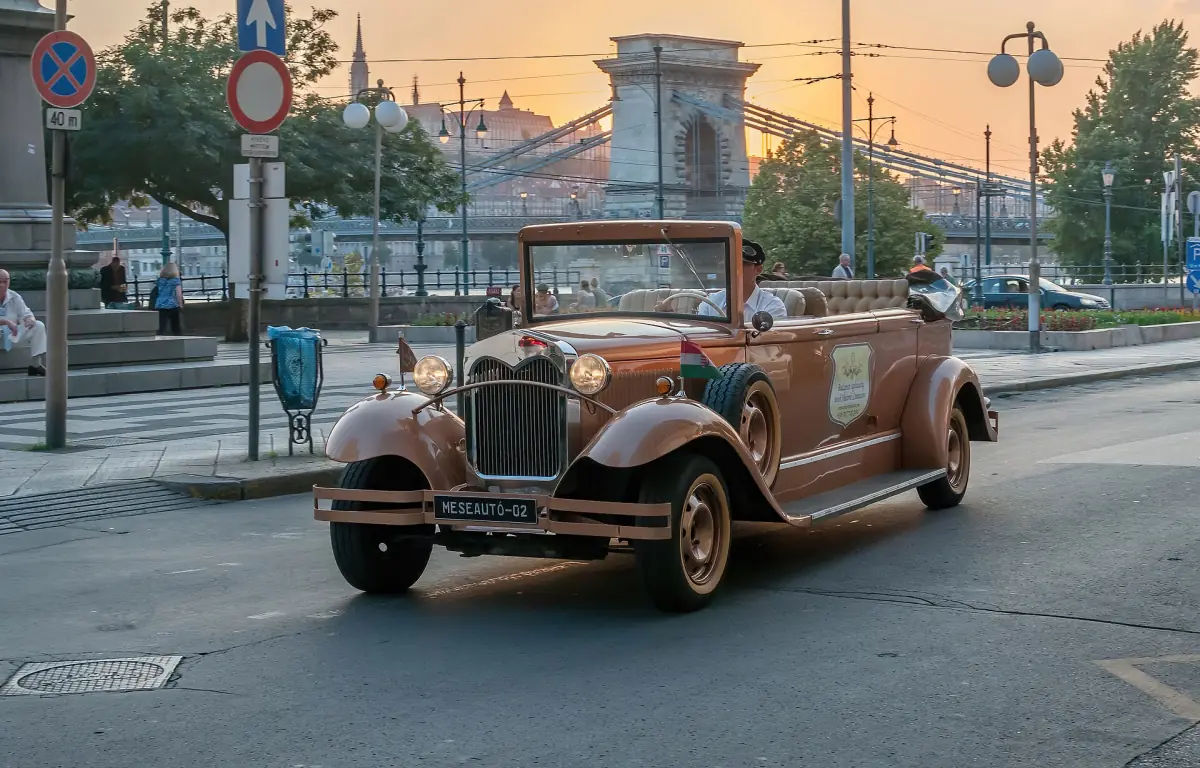
Buda Castle tours and Budapest day trips
Guided walks through the Castle District, city tours and more, with live prices and availability.
The National Hauszmann Programme
The National Hauszmann Programme started in 2019. Finished parts include St Stephen's Hall, the Riding Hall, the Main Guard building, the Csikós Court, the Stöckl staircase, the Hauszmann ramp, the fountains and the Red Cross headquarters.
Reconstruction continues on the Palace, the Archduke Joseph Palace and the Honvéd High Command. A finished building is not automatically open to visitors. St Stephen's Hall is open to the public through a ticket calendar. For the other buildings, do not plan on a visit inside.
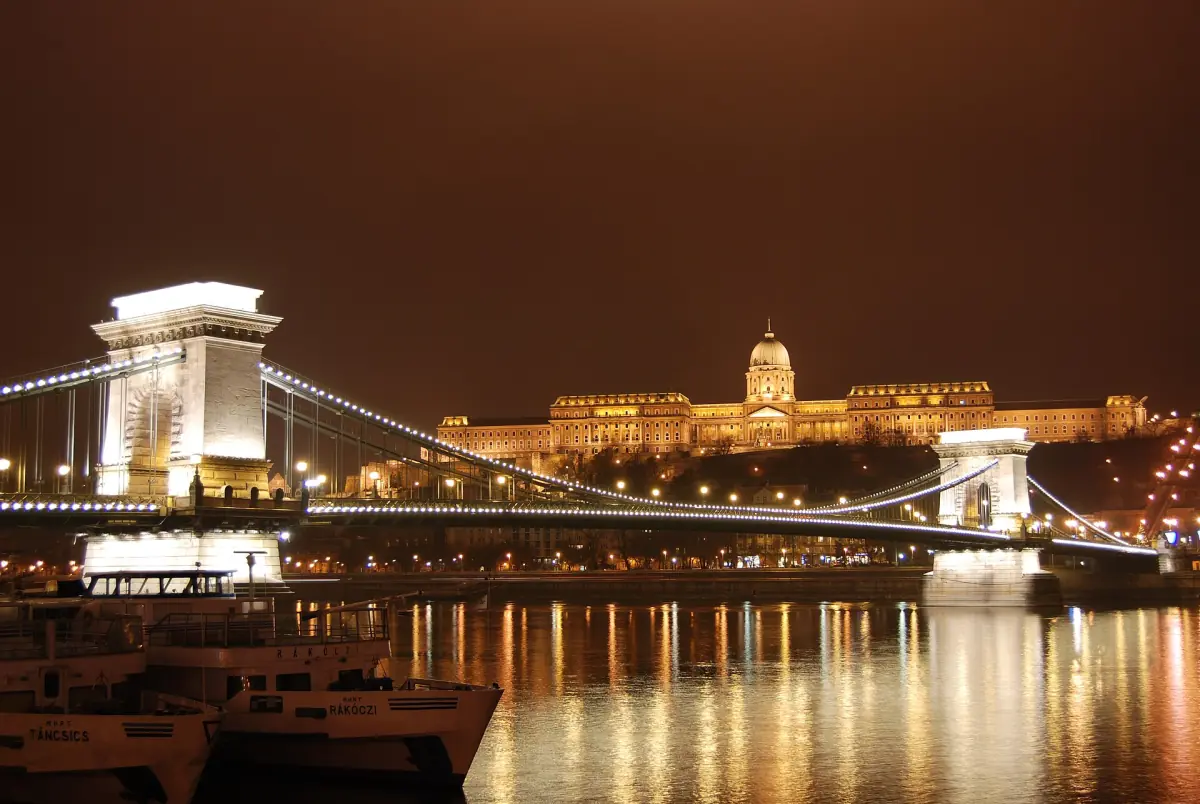
Where to follow the history inside
St Stephen's Hall is the place where the palace history is told in a visit.
| Visit | Adult | Reduced |
|---|---|---|
| St Stephen's Hall with a tablet | HUF 4,900 | HUF 2,450 |
| Hall plus all exhibitions of the castle museum | HUF 5,900 | HUF 2,950 |
The hall is open daily from 10:00 to 18:00, and the last visit starts at 17:15. On Saturday there is a guided visit in Hungarian from 10:00 to 11:00, followed by visits with a tablet. The basic entry covers the medieval and early modern history of the palace. Only the larger combined ticket includes all exhibitions of the castle museum. Neither includes the National Gallery or the Matthias Church. Bring proof if you claim the reduced price.
World Heritage on the Danube
The Buda Castle Quarter and the Danube banks are part of the World Heritage site Budapest.
1987
Budapest is inscribed as a World Heritage site, including the Buda Castle Quarter and the Danube banks.
2002
The boundary is extended, adding the Andrássy axis.
Not a ticket
World Heritage status is not an entry ticket, and it does not mean every rebuilt building is an unchanged original.
The Chain Bridge at the foot of the hill was released after its renovation on 4 August 2023.
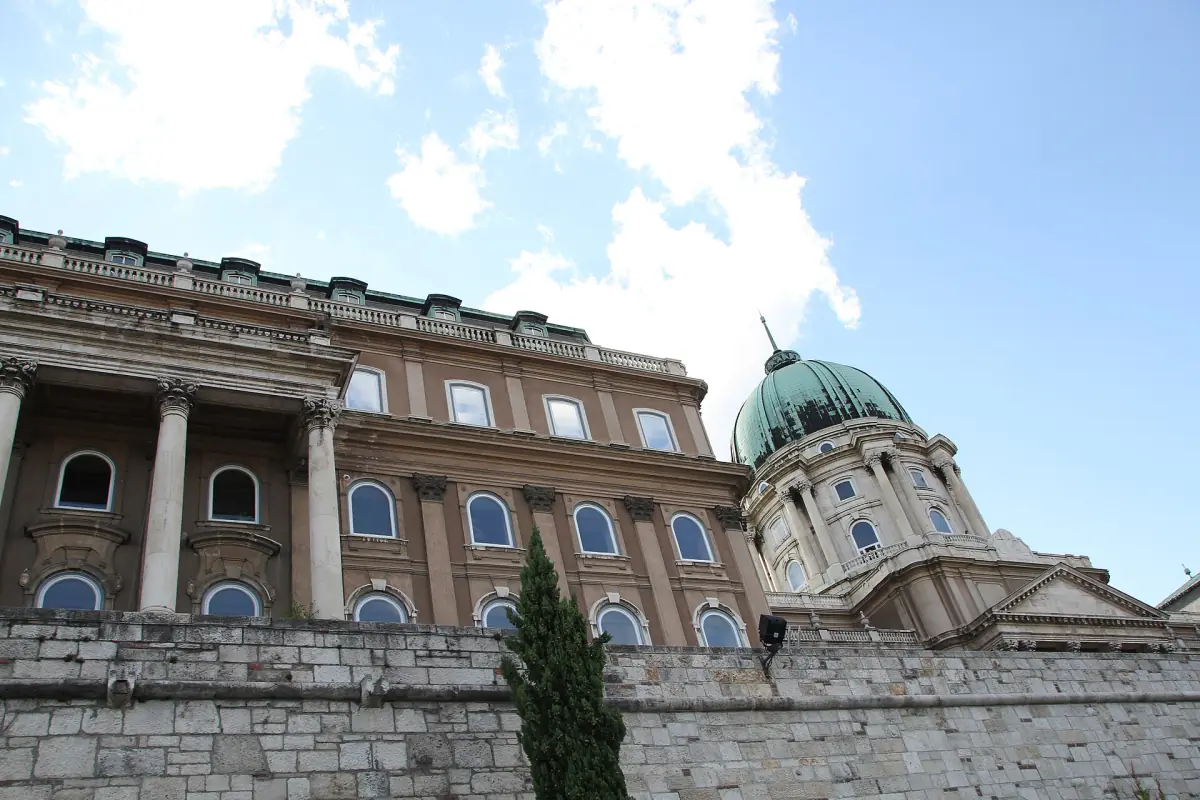
History of Buda Castle: frequently asked questions
What was Buda Castle originally?
A medieval royal palace on Castle Hill. Later it became a baroque palace that Miklós Ybl and Alajos Hauszmann extended.
When did the palace fall into decay?
From 1541, in Ottoman times. It suffered heavy damage when the castle was retaken in 1686.
Is Buda Castle original or rebuilt?
Both, with a strong share of rebuilding. The Second World War destroyed much of the palace, and rebuilding for cultural use began in the 1960s. There is no fully preserved medieval complex.
When was Buda Castle added to the World Heritage list?
In 1987. A major extension of the boundary followed in 2002.
What is the National Hauszmann Programme?
A reconstruction programme that started in 2019 on Castle Hill. Finished parts include St Stephen's Hall, the Riding Hall and the Csikós Court, while other buildings are still being rebuilt.
Can I see the inside of every rebuilt building?
No. A finished building is not necessarily open to visitors. St Stephen's Hall is open through a ticket calendar.